
Few things disrupt daily life like running out of hot water. Whether it happens during a morning shower, while washing dishes, or when energy bills keep climbing, your hot water system plays a critical role in household comfort.
Choosing the right hot water solution isn’t just about convenience. It affects energy efficiency, long-term running costs, environmental impact, and how well your home supports daily routines. With several hot water technologies available in Australia, making the right choice requires understanding how each system works and who it suits best.
This guide explains the main hot water system options, how to choose the right size, and what factors matter most when making a decision. Whether you are replacing an old unit or building a new home, this article will help you make an informed choice.
Understanding Hot Water Systems in Australia:
Australia offers several types of hot water systems, each designed to suit different lifestyles and property types. The main options include electric, gas, solar, and heat pump systems.
All hot water systems work by either storing heated water in a tank or heating water as it flows through the unit. This basic difference affects performance, efficiency, and how much hot water is available during peak usage times.
Storage vs Continuous Flow Hot Water Systems:
Storage hot water systems heat water and keep it ready in a tank. Once the tank empties, the system needs time to reheat, which can affect busy households.
Continuous flow systems heat hot water on demand. These systems do not store water, providing a continuous supply as long as demand does not exceed capacity.
Choosing between storage and continuous flow hot water depends on usage patterns, available space, and household size.
Electric Hot Water Systems:
How Electric Hot Water Systems Work?
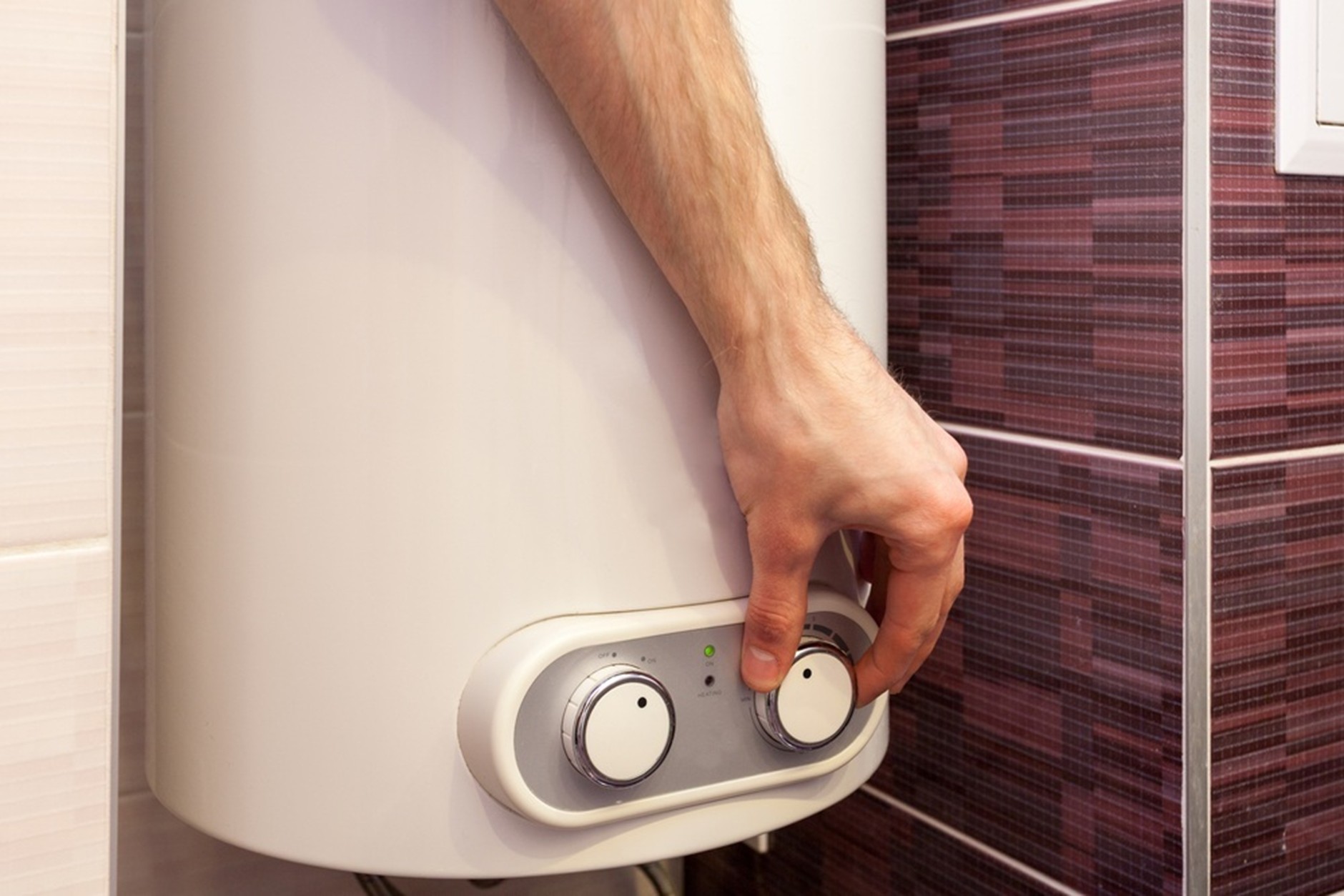
Electric hot water systems use internal heating elements to heat water stored in a tank. A thermostat controls the temperature, while safety components regulate pressure and prevent overheating.
The system maintains hot water throughout the day, reheating as needed when water is used.
Benefits of Electric Hot Water:
Electric hot water systems are widely used due to their simple design and broad availability. They work in almost any location with an electricity connection and are relatively easy to install.
Maintenance requirements are low, and these systems offer reliable performance for many years when properly maintained.
Limitations of Electric Hot Water:
The main drawback is energy consumption. Heating water with electricity can lead to higher running costs, especially if hot water is used frequently throughout the day.
System size and tariff structure play a major role in efficiency, making proper sizing essential.

Gas Hot Water Systems:
Gas Storage Hot Water Systems:
Gas storage hot water systems operate similarly to electric storage units but use gas burners to heat water. They generally heat water faster and recover more quickly after heavy usage.
This makes them suitable for households with higher hot water demand or multiple bathrooms.
Continuous Flow Gas Hot Water Systems:
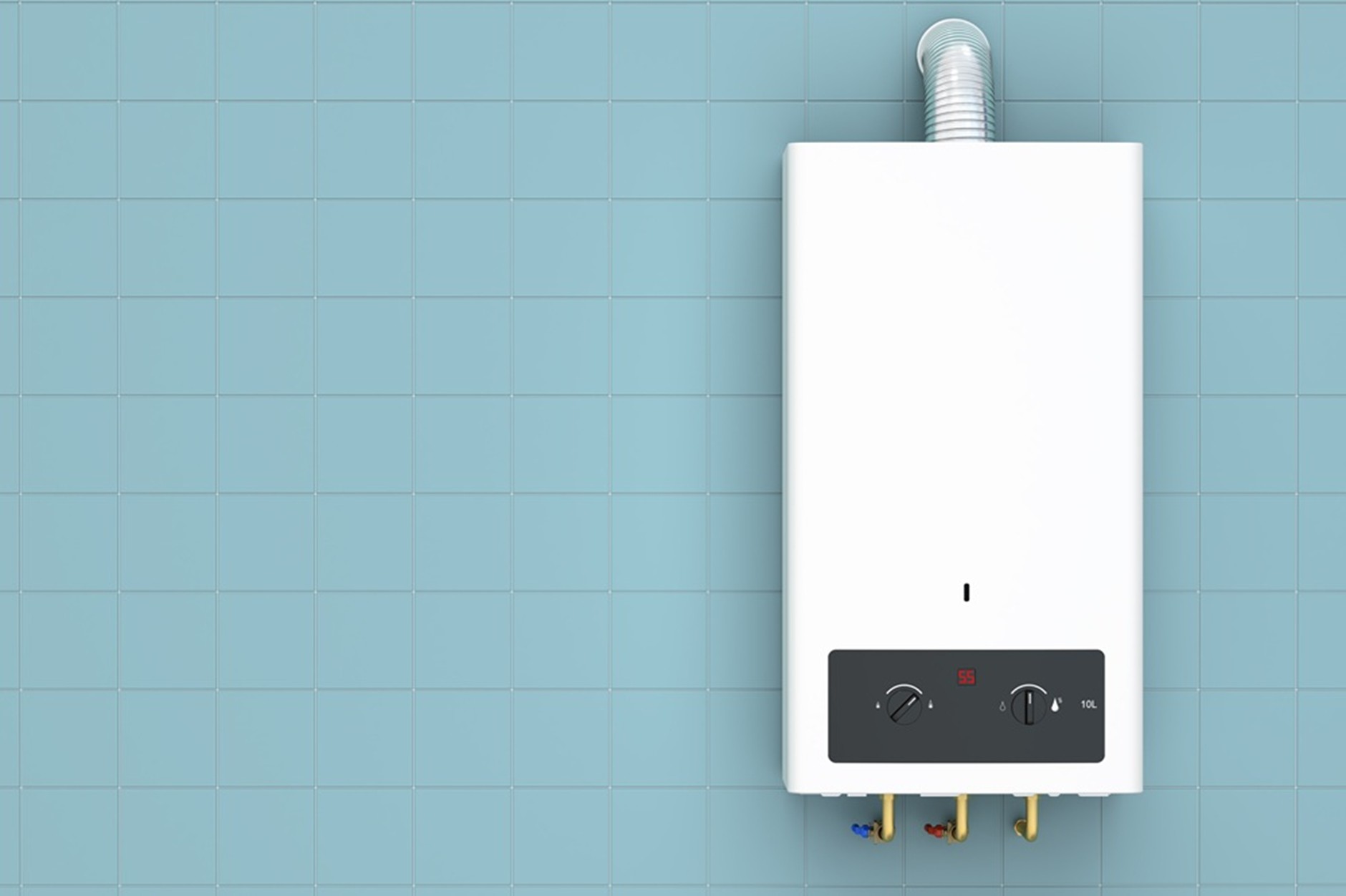
Continuous flow gas systems heat hot water instantly as it passes through the unit. There is no tank, which means no risk of running out of hot water during extended use.
These systems suit larger families and homes with unpredictable usage patterns, especially where space is limited.
Installation Considerations:
Gas hot water systems require proper ventilation and compliance with safety standards. Installation must account for airflow, exhaust management, and location requirements.
Professional installation ensures safe operation and long-term efficiency.
Solar Hot Water Systems:
How Solar Hot Water Systems Work?
Solar hot water systems use roof-mounted collectors to capture energy from the sun. This energy heats water directly or transfers heat through a closed-loop system.
Even during cloudy conditions, solar systems can still produce hot water, though efficiency may vary.
Backup Heating for Reliability:
To ensure a consistent hot water supply, solar systems include a backup heating source. This activates when solar energy alone cannot meet household demand.
Smart controllers help optimise solar contribution while maintaining reliable hot water availability.
Environmental and Lifestyle Benefits:
Solar hot water systems significantly reduce reliance on traditional energy sources. They are well suited to Australian climates and support long-term sustainability goals.
Homes with good roof access and consistent sunlight gain the most benefit from this technology.

Heat Pump Hot Water Systems:
What Is a Heat Pump Hot Water System?
Heat pump hot water systems extract heat from the surrounding air and use it to heat water. This process is highly efficient and uses much less electricity than traditional electric systems.
Even in cooler conditions, modern heat pumps can operate effectively.
Efficiency and Performance:
Heat pump hot water systems are among the most energy-efficient options available. They work best in well-ventilated spaces where airflow is unrestricted.
Their ability to reuse ambient heat makes them ideal for households focused on energy efficiency and reduced environmental impact.
Noise and Placement Factors:
Heat pumps generate some operational noise, similar to household appliances. Placement away from bedrooms and living areas improves comfort.
Correct installation ensures optimal performance and longevity.
What Size Hot Water System Do You Need?
Choosing the correct size hot water system is essential for consistent performance. An undersized system leads to shortages, while an oversized system wastes energy.
Daily hot water use depends on household size, lifestyle habits, and peak usage times. Showers, laundry, dishwashing, and simultaneous use all contribute to demand.
Matching Capacity to Usage:
Smaller households with predictable routines may suit compact storage systems. Larger families or homes with multiple bathrooms often need higher capacity or continuous-flow hot water solutions.
Recovery rate is just as important as storage size, especially during busy mornings and evenings.
Planning for the Future:
Consider future changes such as growing families or reduced occupancy. Choosing a hot water system that adapts to lifestyle changes helps avoid unnecessary replacements later.
Installation and Location Considerations:
Hot water system performance depends heavily on correct installation. Location affects efficiency, noise levels, and accessibility for maintenance.
Outdoor installations need weather protection and airflow, while indoor systems require adequate ventilation and clearance. Roof strength and orientation matter for solar hot water systems.
Professional assessment ensures your hot water system meets regulations and performs as expected.
Energy Efficiency and Sustainability:
Energy efficiency is a major factor when choosing a hot water system. Systems that reduce energy consumption help lower environmental impact and support long-term savings.
Solar and heat pump hot water systems offer strong efficiency benefits, while gas and electric systems can still perform well when properly sized and used efficiently.
Choosing an energy-efficient hot water solution supports both household comfort and sustainability goals.
Common Mistakes to Avoid When Choosing Hot Water:
Many homeowners choose hot water systems based solely on initial convenience rather than long-term suitability. This often leads to inefficiency or frequent shortages.
Ignoring household usage patterns, space limitations, and future needs can result in poor performance. Proper research and expert guidance help avoid costly mistakes.
A well-chosen hot water system should match lifestyle demands, not just current infrastructure.
When Is the Right Time to Replace Your Hot Water System?
Signs such as inconsistent water temperature, reduced pressure, unusual noises, or frequent repairs may indicate the need for replacement.
Upgrading to a modern hot water system can improve efficiency, reliability, and daily comfort.
Replacing an ageing unit before total failure helps avoid unexpected disruptions.
Choosing the Right Hot Water System for Your Home:
There is no single best hot water solution for every home. The right system depends on household size, usage habits, available space, climate, and sustainability goals.
Electric hot water systems offer simplicity, gas systems provide fast recovery, solar systems maximise renewable energy, and heat pumps deliver exceptional efficiency.
Understanding your options makes choosing hot water easier and more rewarding.
Take the Next Step Toward Reliable Hot Water:
If you want reliable, energy-efficient Hot Water that suits your household and lifestyle, now is the time to act. Choosing the right hot water system ensures comfort, efficiency, and peace of mind for years to come.
Speak with a qualified professional, assess your usage needs, and upgrade your Hot Water solution today for better performance and long-term reliability.